
Brine Concentration: Turning High-TDS Waste into a Manageable Solution
In industrial water treatment, one of the toughest challenges isn’t just treating wastewater—it’s dealing with what’s left behind.
That leftover stream, rich in dissolved salts and impurities, is known as brine. And managing it efficiently can make or break a plant’s sustainability goals.
So, how do industries tackle this high-salinity challenge without skyrocketing costs or environmental risks?
The answer lies in brine concentration—a critical step toward smarter water management and Zero Liquid Discharge (ZLD).
What is Brine and Why is It a Problem?
Brine is a concentrated solution of salts left after processes like Reverse Osmosis (RO) or other treatment methods.
While water gets purified, the salts don’t disappear—they accumulate. Over time, this creates:
- High disposal costs
- Scaling and fouling issues
- Environmental risks if discharged
- Compliance challenges with stricter regulations
Simply put, brine is the final hurdle in wastewater treatment.
What is Brine Concentration?
Brine concentration is the process of removing water from saline wastewater, increasing the concentration of dissolved solids and reducing the overall liquid volume.
This step is essential before final treatment processes like crystallization, where solids are separated completely.
The goal is simple:
Reduce volume, recover water, and simplify waste handling.
How Does Brine Concentration Work?
The process typically involves evaporation, where water is separated from the brine using heat or enhanced evaporation techniques.
Here’s how it works:
- Brine enters the system
- Water is evaporated or separated
- Remaining solution becomes more concentrated
- Reduced volume is sent for further treatment or crystallization
Modern systems improve this process by making it faster and more energy-efficient.
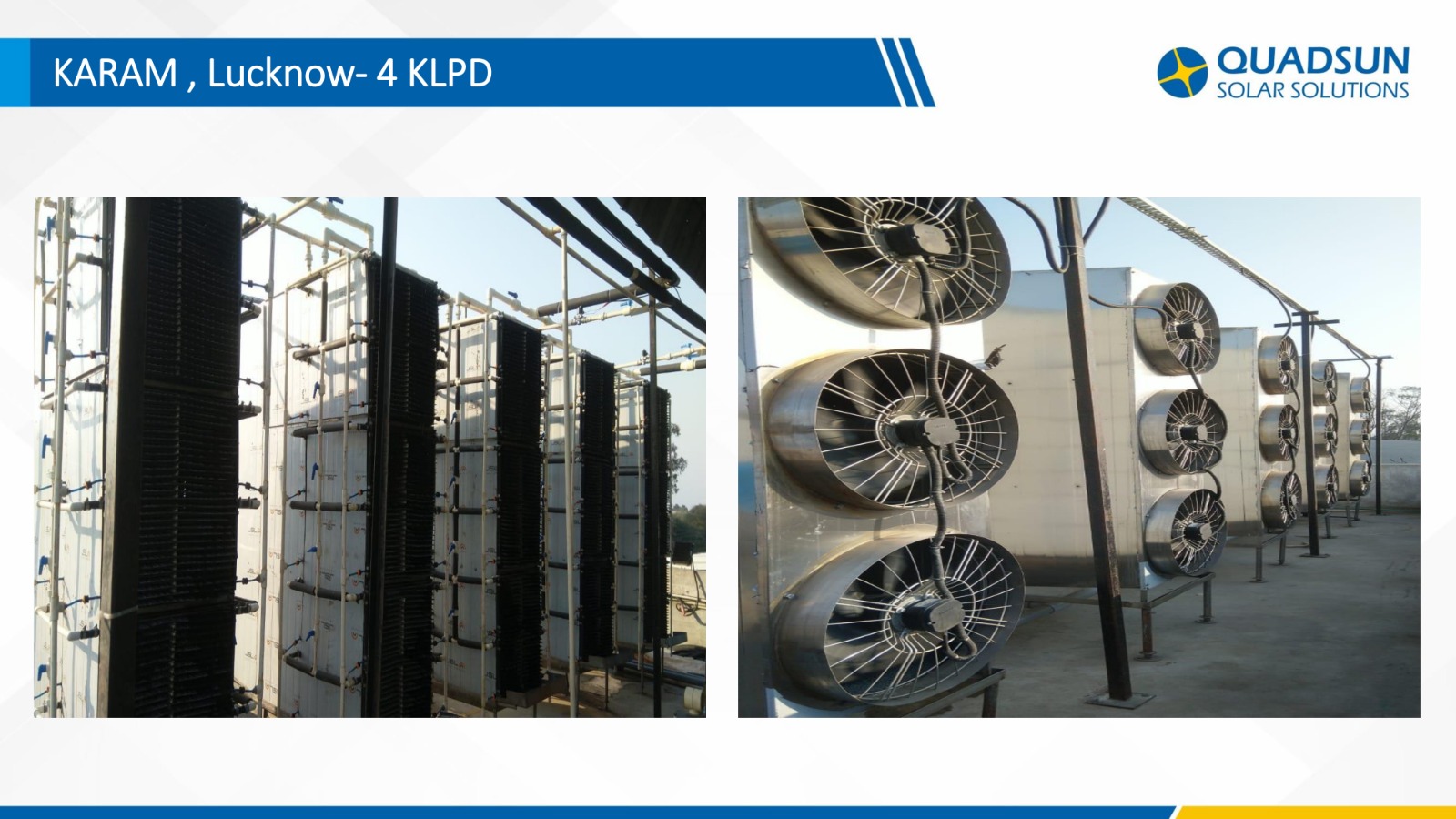
The Role of Convective Enhanced Evaporator (CEE)
Traditional evaporation methods can be energy-intensive and costly.
That’s where Convective Enhanced Evaporation (CEE) comes in.
Solutions like Quadsun Technology’s ZLD Convective Enhanced Evaporator (CEE) are designed to optimize the brine concentration process by improving heat and mass transfer.
What Makes CEE Effective?
CEE technology enhances performance by:
- Increasing evaporation efficiency
- Reducing energy consumption
- Accelerating moisture removal
- Lowering operational costs
By improving the concentration stage, it ensures smoother downstream processes like crystallization.
Why Brine Concentration is Essential
Reduces Waste Volume
By removing water, the overall volume of waste is significantly reduced—making it easier and cheaper to handle.
Supports Zero Liquid Discharge (ZLD)
Brine concentration is a key step in achieving ZLD, where no liquid waste is released into the environment. BrineConcentration
Enables Water Recovery
The separated water can often be recovered and reused, reducing dependence on freshwater sources.
Improves System Efficiency
Concentrated brine is easier to process further, improving the efficiency of the entire treatment system.
Industries That Need Brine Concentration
This process is especially critical in industries such as:
- Textile and dyeing units
- Chemical manufacturing
- Pharmaceuticals
- Food processing
- Power plants
Any industry dealing with high Total Dissolved Solids (TDS) can benefit from effective brine management.
From Problem to Process Optimization
For many industries, brine is seen as a difficult waste stream. But with the right approach, it becomes a manageable and even valuable part of the process.
Brine concentration shifts the focus from disposal to optimization and recovery.
The Bigger Picture: Sustainable Water Management
Water scarcity and environmental concerns are pushing industries toward smarter solutions.
Brine concentration plays a vital role in this shift by:
- Reducing liquid waste
- Recovering reusable water
- Supporting circular resource use BrineConcentration
It’s not just about compliance—it’s about building sustainable operations. BrineConcentration


Leave A Comment