Convective Enhanced Evaporator (CEE): A Smarter Path to Zero Liquid Discharge
Water is no longer just a resource—it’s a responsibility.
For industries today, managing wastewater isn’t only about compliance; it’s about sustainability, cost control, and future readiness.
And when it comes to achieving Zero Liquid Discharge (ZLD), one technology is quietly making a powerful impact:
Convective Enhanced Evaporators (CEE).
The Growing Challenge of Wastewater Management
Industries like textiles, chemicals, pharmaceuticals, and food processing generate large volumes of wastewater. Treating and disposing of this water isn’t simple—it involves:
- High energy consumption
- Expensive treatment systems
- Strict environmental regulations
- Increasing pressure to reuse water
Traditional evaporation systems, while effective, often come with. High operational costs and energy demands. That’s where innovation becomes essential.
What is a Convective Enhanced Evaporator (CEE)?
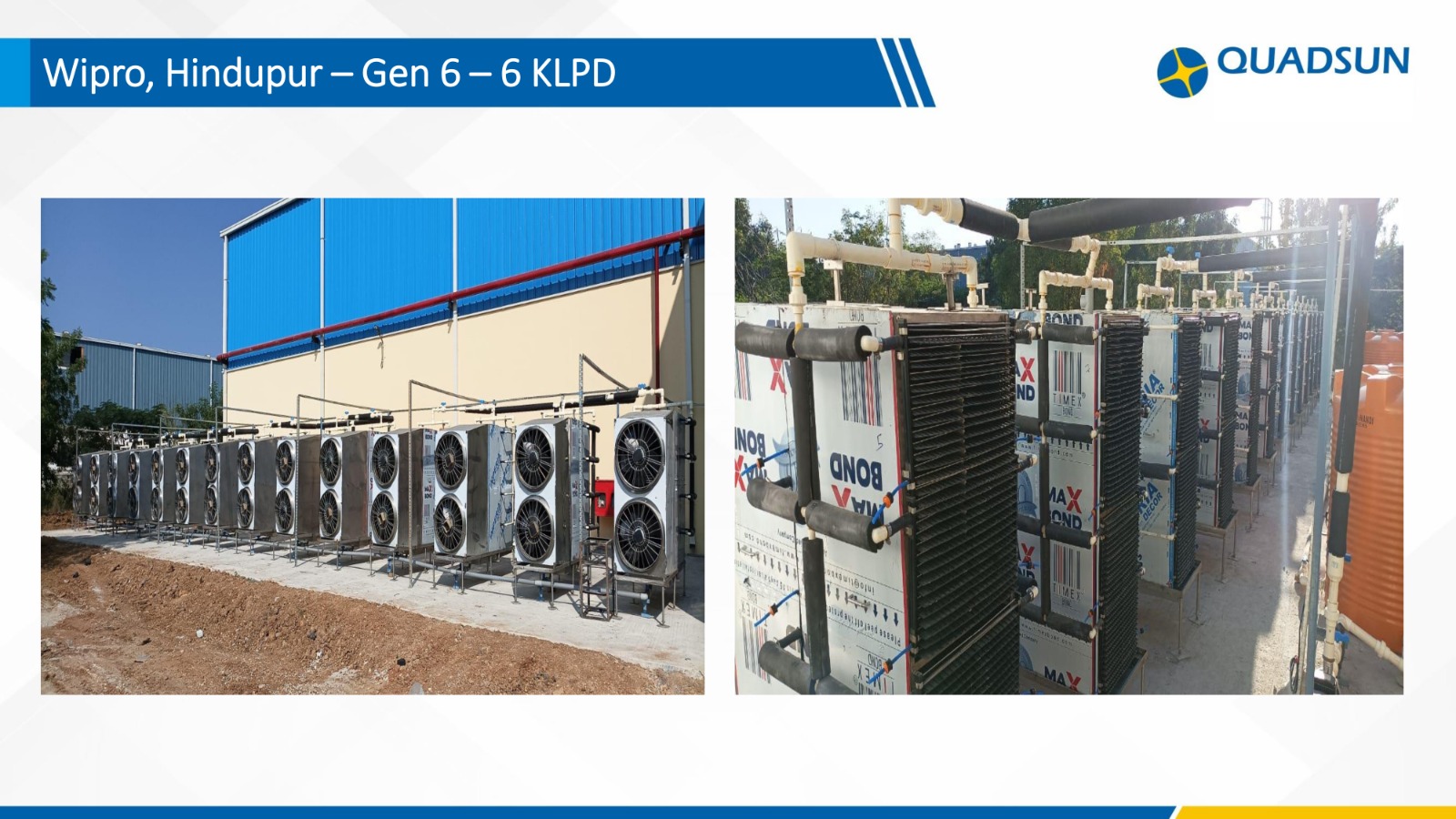
A Convective Enhanced Evaporator (CEE) is an advanced system designed to remove water from industrial effluents using enhanced heat and mass transfer principles.
In simpler terms, it speeds up evaporation by improving how heat and airflow interact with the liquid.
Solutions like Quadsun Technology’s Sustainable Energy. Evaporator take this concept further by combining efficiency with sustainability—making it ideal for industries aiming for ZLD.
How Does It Work?
Unlike conventional evaporators that rely heavily on direct heating. CEE system uses controlled airflow and convective heat transfer to accelerate evaporation.
Here’s what makes it different:
- Enhanced air-liquid contact
- Optimized heat distribution
- Faster moisture removal
- Lower energy consumption
The result? A process that is both efficient and cost-effective.
Why Industries Are Switching to CEE
Lower Energy Consumption
Energy is one of the biggest cost drivers in evaporation systems. CEE technology reduces this burden by optimizing heat usage, leading to significant energy savings.
Faster Evaporation Rates
With improved heat and mass transfer, CEEs can achieve quicker evaporation. Compared to traditional methods—boosting overall productivity.
Ideal for Zero Liquid Discharge (ZLD)
For industries aiming to eliminate liquid waste entirely, CEE systems are a strong enabler. They help recover water while concentrating solids for easier disposal or reuse.
Reduced Operating Costs
Lower energy usage combined with efficient performance translates into reduced operational expenses over time.
Environmentally Responsible
CEE systems support sustainable practices by:
- Minimizing water wastage
- Reducing environmental discharge
- Lowering carbon footprint
Where Can CEE Be Used?
Convective Enhanced Evaporators are versatile and can be applied across multiple sectors, including:
- Textile and dyeing industries
- Chemical processing plants
- Pharmaceutical manufacturing
- Food and beverage industries
- Effluent treatment plants
If wastewater management is a challenge, CEE offers a practical solution.
CEE vs Traditional Evaporation Systems
| Traditional Evaporators | Convective Enhanced Evaporators (CEE) |
| High energy consumption | Optimized energy usage |
| Slower evaporation rates | Faster and more efficient |
| Higher operational costs | Cost-effective over time |
| Limited sustainability | Supports ZLD and water reuse |
This isn’t just an upgrade—it’s a smarter approach to industrial water management.
The Bigger Picture: Water Sustainability
Water scarcity is becoming a global concern, and industries play a major role in shaping the solution.
Technologies like CEE don’t just treat wastewater—they redefine how water is used, reused, and conserved.
By adopting such systems, industries can move from compliance-driven operations to sustainability-driven growth.
Final Thoughts
The future of industrial operations lies in doing more with less—less water, less energy, and less waste.
Convective Enhanced Evaporators (CEE) represent that shift.
For industries looking to stay ahead in a world of tightening regulations and rising costs, this isn’t just a technology upgrade—
It’s a strategic move toward sustainable operations.


Leave A Comment