
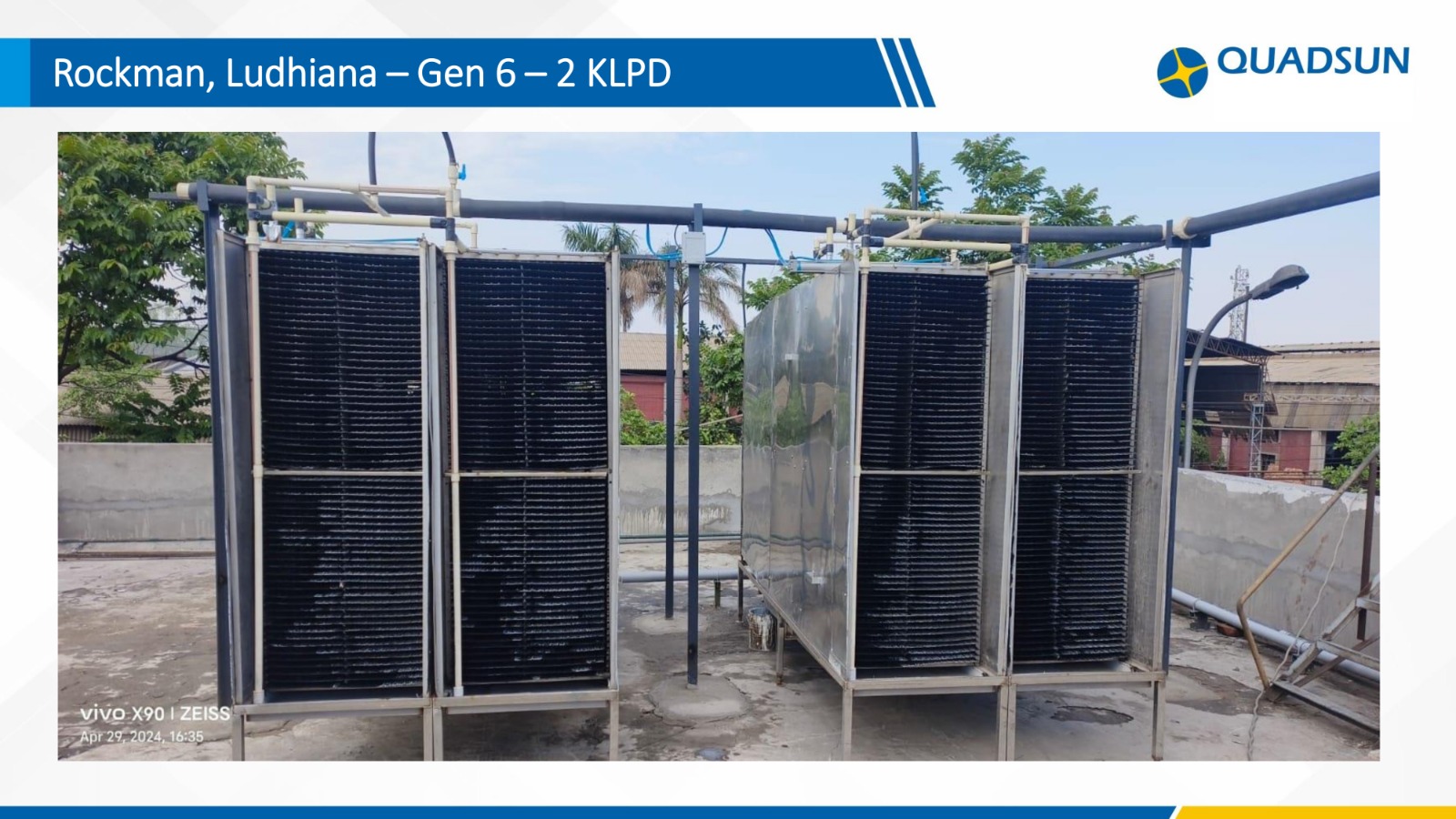
Solar Thermal System: Powering Industry with Clean, Reliable Heat
When industries talk about energy, the focus is often on electricity.
But behind the scenes, there’s another giant quietly driving operations—heat.
From drying and boiling to chemical processing and sterilization, heat is at the core of industrial productivity. And traditionally, this heat has come from fossil fuels.
But with rising fuel costs and growing environmental concerns, industries are now looking for a smarter alternative.
That’s where solar thermal systems step in—offering a cleaner, more efficient way to generate industrial heat.
What is a Solar Thermal System?
A solar thermal system uses sunlight to generate heat instead of electricity.
Unlike solar panels that produce power, these systems capture solar energy and convert it directly into usable thermal energy for industrial processes.
Solutions like Quadsun Technology’s Solar Thermal System combine advanced solar collection with heat pump integration to deliver consistent and efficient heat output.
Why Industries Are Turning to Solar Heat
Rising Fuel Costs
Coal, diesel, and gas prices are not only high—they’re unpredictable. Solar energy, on the other hand, is free and abundant.
Sustainability Pressure
Industries are under increasing pressure to reduce emissions and meet ESG goals. Solar thermal systems provide a low-carbon alternative without compromising performance.
Energy Security
Relying less on fossil fuels means greater control over energy costs and supply.
How Does a Solar Thermal System Work?
The process is simple yet powerful:
- Solar collectors capture sunlight
- The energy is concentrated or absorbed
- Heat is generated and transferred to a working fluid
- The heat is used directly in industrial processes or stored for later use
In advanced systems, integration with heat pumps ensures consistent output even when sunlight varies.
Key Benefits of Solar Thermal Systems
Direct Heat Generation
Unlike electric systems, solar thermal produces heat directly—making it highly efficient for industrial applications.
Significant Cost Savings
With zero fuel costs and low maintenance, industries can achieve long-term savings.
Reduced Carbon Footprint
Switching to solar heat significantly cuts down greenhouse gas emissions.
Scalable and Flexible
These systems can be customized to meet specific industrial heat requirements.
Where Can It Be Used?
Solar thermal systems are ideal for industries that require continuous or high-temperature heat, such as:
- Food and beverage processing
- Textile and dyeing units
- Chemical industries
- Pharmaceuticals
- Dairy and agriculture
Anywhere heat is needed, solar thermal can make a difference.
Solar Thermal vs Conventional Heating
| Conventional Heating | Solar Thermal System |
|---|---|
| Fuel-dependent | Uses renewable solar energy |
| High operating cost | Low operating cost |
| High emissions | Environment-friendly |
| Price fluctuations | Stable energy source |
The shift isn’t just about cost—it’s about long-term sustainability.
The Role of Hybrid Systems
One of the most exciting advancements is the integration of solar thermal with heat pumps.
This hybrid approach ensures:
- Reliable heat supply
- Higher efficiency
- Better utilization of renewable energy
It bridges the gap between sustainability and operational reliability.
The Future of Industrial Heating
As industries move toward decarbonization, solar thermal systems are becoming a key part of the energy mix.
They offer a practical pathway to:
- Reduce dependence on fossil fuels
- Lower operational costs
- Achieve sustainability targets
And most importantly, they do it without disrupting existing processes.


Leave A Comment