
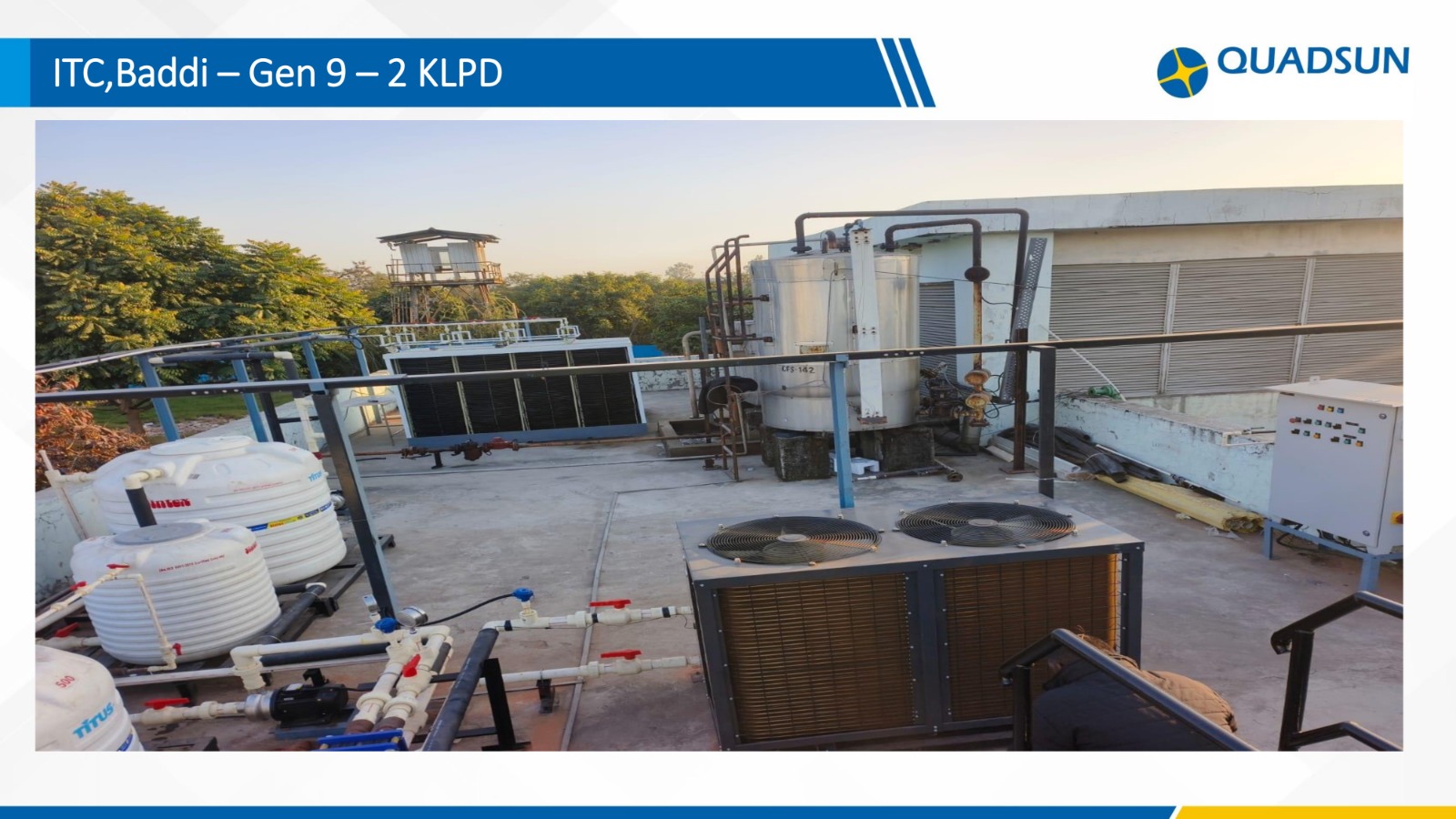
High Temp Heat Pumps: The Smart Way Industries Are Rethinking Heat
If you walk into any industrial facility—whether it’s food processing, chemicals, textiles, or pharmaceuticals—you’ll notice one thing almost immediately: heat is everywhere. It drives processes, powers production, and keeps operations running.
But here’s the catch—most of that heat still comes from fossil fuels. And in today’s world of rising fuel costs and strict sustainability goals, that’s becoming a serious problem.
Enter a smarter, cleaner alternative: high temperature heat pumps.
What Exactly is a High Temperature Heat Pump?
At its core, a heat pump doesn’t “create” heat—it moves it. It takes heat from a lower-temperature source (like ambient air, waste heat, or water) and upgrades it to a higher, usable temperature.
Now, a high temperature heat pump takes this concept further by delivering heat at temperatures suitable for industrial processes—often exceeding 100°C and beyond.
Solutions like Quadsun Technology’s High Temperature Heat Pump for Efficient Industry are specifically designed to meet industrial demands where conventional heat pumps usually fall short.
Why Industries Are Paying Attention
- Turning Waste Heat into Useful Energy
Industries generate a lot of waste heat that typically goes unused. High temp heat pumps capture this lost energy and recycle it back into the system.
It’s like getting free energy from something you were already wasting.
- Major Reduction in Fuel Consumption
By replacing or reducing reliance on boilers powered by coal, diesel, or gas, these systems can cut fuel usage drastically.
That means:
- Lower operational costs
- Reduced exposure to fuel price fluctuations
- Improved energy efficiency
- Big Win for Sustainability Goals
Reducing carbon emissions is no longer optional—it’s a business priority.
High temperature heat pumps help industries:
- Lower CO₂ emissions
- Meet ESG targets
- Align with global decarbonization efforts
And they do it without forcing a complete overhaul of existing systems.
- Consistent and Reliable Performance
Industrial processes require stable and precise temperatures. Modern high temp heat pumps are designed to deliver consistent output, making them reliable even for critical operations.
Where Can They Be Used?
The versatility of high temperature heat pumps makes them suitable across a wide range of industries:
- Food & Beverage – pasteurization, drying, cleaning
- Textiles – dyeing, washing, finishing
- Pharmaceuticals – sterilization and process heating
- Chemicals – distillation and reaction heating
- Dairy – evaporation and processing
Anywhere heat is required, there’s an opportunity to optimize it.
Heat Pumps vs Traditional Boilers
Let’s be honest—boilers have been the backbone of industrial heating for decades. But they come with limitations:
| Traditional Boilers | High Temp Heat Pumps |
| High fuel cost | Lower operating cost |
| High emissions | Low carbon footprint |
| Energy losses | Energy recovery & reuse |
| Fuel dependency | Electrification-ready |
The shift isn’t just about replacing equipment—it’s about rethinking how heat is generated and used.
The Economic Advantage
One of the biggest concerns industries have is upfront investment. That’s fair. But here’s the bigger picture:
- Reduced energy bills over time
- Lower maintenance compared to combustion systems
- Potential government incentives for clean energy adoption
The result? A strong return on investment (ROI) that makes both financial and environmental sense.
The Future is Electrified Heat
As industries move toward electrification and cleaner energy, high temperature heat pumps are emerging as a key piece of the puzzle.
They bridge the gap between sustainability and practicality—offering a solution that is not only green but also economically viable.
Final Thoughts
The transition away from fossil fuels doesn’t have to be complicated or disruptive. Sometimes, it’s about making smarter use of the energy you already have.
High temperature heat pumps represent exactly that shift—a move toward efficiency, sustainability, and long-term resilience.
For industries ready to future-proof their operations, this isn’t just an upgrade. It’s a strategic transformation.


Leave A Comment