Zero Liquid Discharge: The Future of Industrial Water Sustainability
Imagine a factory where not a single drop of wastewater leaves the premises.
>No discharge.
That’s not a distant vision anymore—it’s the reality of Zero Liquid Discharge (ZLD).
As industries face mounting pressure from environmental regulations, water scarcity, and rising operational costs, ZLD is quickly becoming the gold standard for responsible water management.
What is Zero Liquid Discharge (ZLD)?
Zero Liquid Discharge is a process where all wastewater is treated, recovered, and reused, leaving behind only solid waste.
In simple terms:
- No liquid waste is released into the environment
- Maximum water is recovered and reused
- Remaining solids are safely managed
It’s a complete shift from the traditional “treat and discharge” approach to a closed-loop system.
Why ZLD is Gaining Momentum
Industries today are under increasing pressure to optimize water use. Here’s why ZLD is becoming essential:
Water Scarcity
Freshwater resources are shrinking, making reuse a necessity rather than a choice.
Strict Regulations
Governments and environmental bodies are enforcing tighter discharge norms, especially for high-polluting industries.
Rising Costs
Water procurement and wastewater disposal are becoming increasingly expensive.
Sustainability Goals
Companies are now expected to meet ESG targets and reduce their environmental footprint.
ZLD addresses all these challenges in one integrated solution.
How Does ZLD Work?
A typical ZLD system involves multiple stages of treatment and recovery:
- Pre-treatment – Removal of large particles and contaminants
- Membrane Processes (RO/UF) – Recovery of a major portion of water
- Evaporation – Concentration of remaining wastewater
- Crystallization – Conversion of dissolved solids into crystals
The end result:
Recovered water + solid waste (no liquid discharge).
The Role of Convective Enhanced Evaporator (CEE)
Among all stages, evaporation is one of the most critical—and energy-intensive.
That’s where advanced solutions like Convective Enhanced Evaporation (CEE) make a difference.
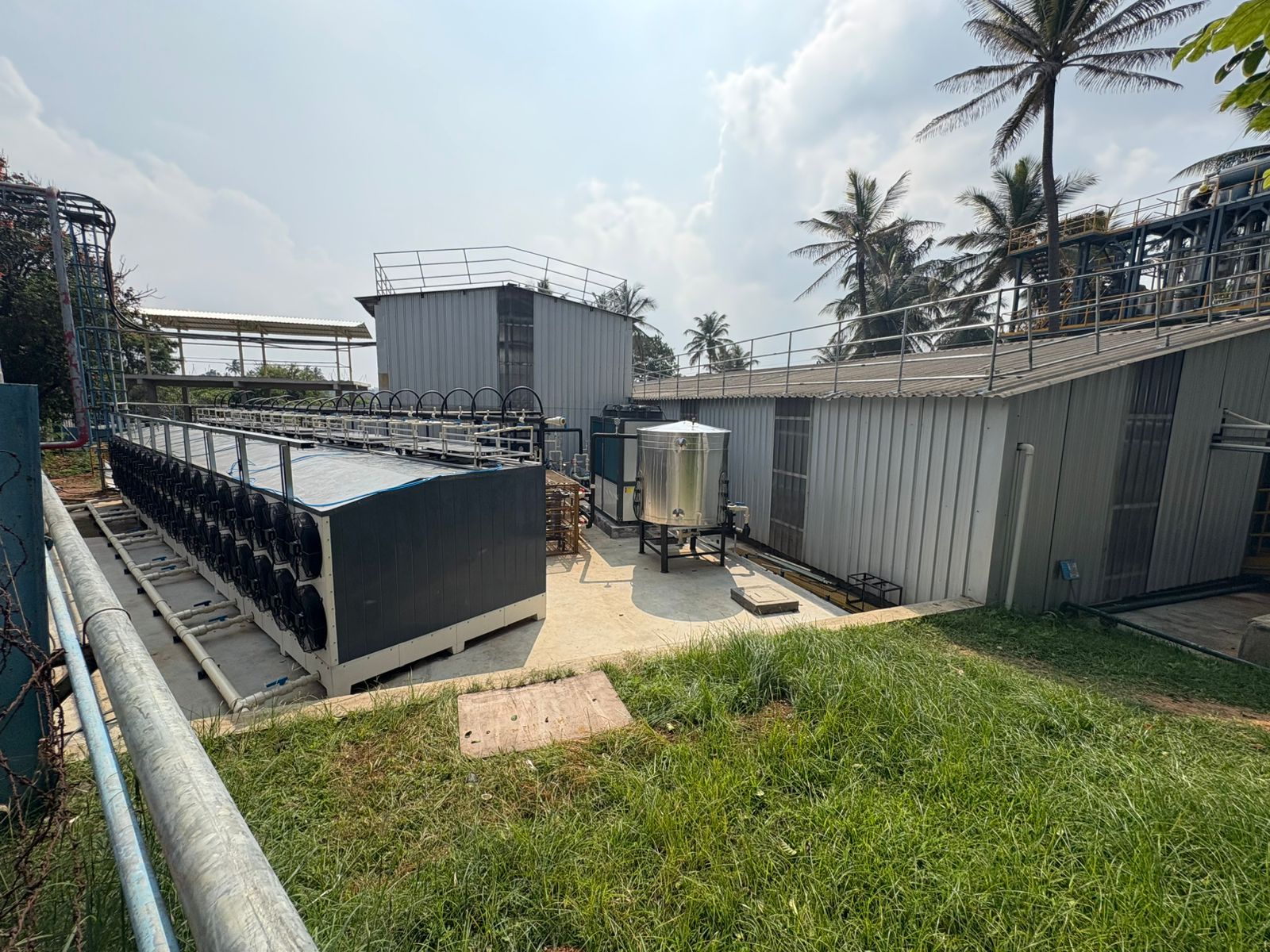
Technologies such as Quadsun Technology’s ZLD Convective Enhanced Evaporator (CEE) are designed to improve evaporation efficiency by optimizing heat and airflow.
What Makes CEE a Game-Changer?
CEE enhances traditional evaporation by:
- Increasing heat transfer efficiency
- Accelerating evaporation rates
- Reducing energy consumption
- Lowering operational costs
This makes the ZLD process more practical and economically viable for industries.
Benefits of Implementing ZLD
Complete Water Recovery
A significant portion of wastewater is recovered and reused, reducing dependence on freshwater sources.
Environmental Compliance
ZLD ensures zero discharge, helping industries meet even the strictest regulations.
Reduced Waste Volume
By converting liquid waste into solids, disposal becomes easier and more manageable.
Long-Term Cost Savings
While initial investment exists, savings from reduced water usage and disposal costs make ZLD a smart financial decision.
Industries Leading the ZLD Adoption
ZLD is especially critical for industries with high wastewater generation, such as:
- Textile and dyeing units
- Chemical manufacturing
- Pharmaceuticals
- Power plants
- Food processing industries
These sectors benefit the most from efficient water recovery and waste minimization.
From Compliance to Competitive Advantage
What was once seen as a regulatory requirement is now becoming a strategic advantage.
Industries adopting ZLD are not only staying compliant but also:
- Reducing operational risks
- Improving brand reputation
- Enhancing sustainability credentials
The Bigger Picture: Circular Water Economy
ZLD is a key step toward a circular water economy, where water is continuously reused instead of being wasted.
It represents a shift in mindset—from consumption to conservation, from disposal to recovery.


Leave A Comment