
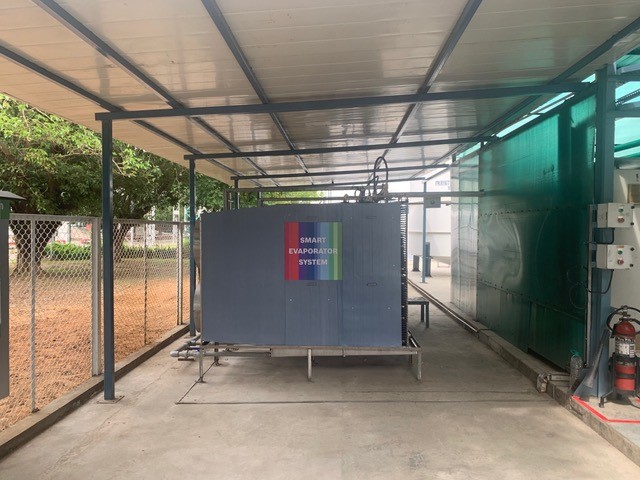
Industrial Water Recycling: Turning Wastewater into a Competitive Advantage
Water is no longer something industries can afford to take for granted.
What was once seen as an abundant resource is now becoming one of the most critical operational constraints.
From rising water costs to tightening environmental regulations, industries are facing a clear message:
use less, waste less, and reuse more.
And that’s exactly where industrial water recycling is stepping in—not just as a solution, but as a strategic advantage.
Why Water Recycling Matters More Than Ever
Industries today consume massive volumes of water—for cooling, processing, cleaning, and production.
The challenge?
Most of that water ends up as wastewater.
Traditionally, this meant:
- High freshwater dependency
- Expensive disposal processes
- Environmental impact
- Compliance challenges
But with water scarcity becoming a global concern, the focus has shifted from disposal to reuse.
What is Industrial Water Recycling?
Industrial water recycling is the process of treating wastewater so it can be reused within operations instead of being discharged.
This reduces the need for fresh water intake and minimizes waste, creating a more efficient and sustainable system.
Advanced technologies like Quadsun Technology’s Batch RO are playing a key role in making this process more effective and economically viable.
How Batch RO Enables Efficient Recycling
Unlike conventional water treatment systems, Batch Reverse Osmosis (Batch RO) is designed to maximize water recovery while minimizing waste.
It works by operating in controlled cycles, allowing better optimization of pressure and flow conditions.
The result?
- Higher recovery rates
- Lower energy consumption
- Reduced water rejection
In simple terms, it helps industries get more usable water from every drop.
Key Benefits of Industrial Water Recycling
Reduced Freshwater Dependency
By reusing treated water, industries can significantly cut down on freshwater consumption—an essential step in water-scarce regions.
Lower Operational Costs
Less water intake and reduced disposal needs translate into direct cost savings over time.
Environmental Responsibility
Recycling water reduces discharge and minimizes environmental impact, helping industries meet sustainability goals and regulatory standards.
Improved Process Efficiency
With advanced systems like Batch RO, water treatment becomes more efficient, reliable, and easier to manage.
Industries That Benefit the Most
Industrial water recycling is not limited to one sector—it’s relevant across a wide range of industries:
- Textile and dyeing units
- Pharmaceuticals
- Food and beverage processing
- Chemical manufacturing
- Power generation
Anywhere water is used extensively, recycling can make a significant difference.
From Cost Center to Value Creator
Traditionally, wastewater treatment was seen as a cost center—a necessary expense with no direct return.
But industrial water recycling flips that perspective.
It transforms water management into a value-generating process by:
- Reducing costs
- Improving efficiency
- Enhancing sustainability credentials
In today’s competitive landscape, that’s a major advantage.
The Role of Innovation
The success of water recycling depends heavily on the technology used.
Solutions like Quadsun’s Batch RO bring innovation into the equation by addressing the limitations of conventional systems—making recycling more practical and scalable.
The Future of Industrial Water Use
The future is clear: industries that adapt to efficient water use will thrive, while those that don’t may struggle with rising costs and regulatory pressures.
Water recycling is no longer optional—it’s becoming a standard practice for forward-thinking organizations.
Industrial Water Recycling


Leave A Comment