
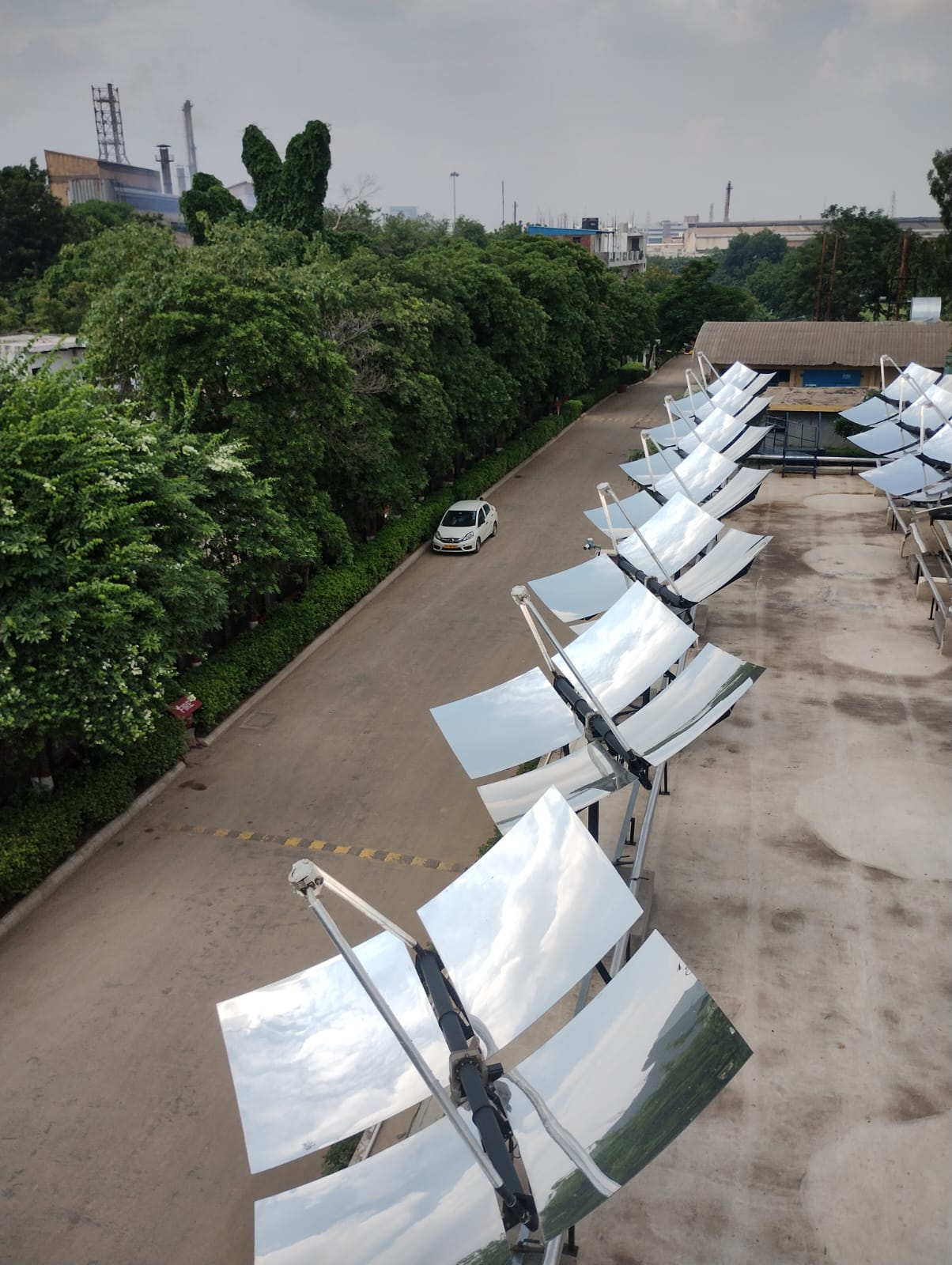
The Ultimate Guide to Installing Concentrated Solar Thermal Dishes
Introduction to Concentrated Solar Thermal (CST) Dishes
Thinking about tapping into solar energy, but want more than just electricity from panels? Concentrated Solar Thermal (CST) dishes might be exactly what you’re looking for.
Instead of simply turning sunlight into electricity like solar PV, CST dishes concentrate sunlight to produce high-temperature heat. That heat can then be used directly in industrial processes, for steam generation, or even to run engines and turbines that produce electricity.
In this guide, we’ll walk step-by-step through everything you need to know about installing concentrated solar thermal dishes, from how they work to planning, installation, costs, and long-term operation.
What Are Concentrated Solar Thermal Dishes?
Concentrated Solar Thermal dishes are large, curved reflectors (like a satellite dish) that focus sunlight onto a single point—called a receiver. At that focal point, temperatures can get extremely high, often hundreds of degrees Celsius, which makes them ideal for:
Generating high-temperature steam
Powering Stirling or other heat engines
Providing process heat for industries
Supplying hot water or heating in specialized setups
Think of a CST dish as a giant magnifying glass, but engineered with precision, tracking the sun across the sky and capturing concentrated energy all day long.
How CST Dishes Differ from Solar PV Panels
Solar PV panels:
Convert sunlight directly into electricity
Work well at lower temperatures
Are typically spread out flat over roofs or fields
CST dishes:
Focus sunlight to produce heat first
Often reach higher efficiencies at converting solar energy into usable heat
Require tracking and careful structural installation
If your main need is heat or steam, especially at high temperatures, CST dishes can be more suitable than just PV.
Key Benefits of Installing CST Dishes
High temperature output for industrial processes
Scalability – from single dish systems to large fields
Potential for energy storage using thermal storage tanks or molten salt
Reduced fuel costs when replacing oil, diesel, or gas boilers
Long-term environmental benefits and lower emissions
Understanding How CST Dishes Work
Components of a Solar Thermal Dish System
A typical CST dish system includes:
Parabolic dish reflector – the big “mirror” that focuses sunlight
Receiver – mounted at the focal point, where heat is absorbed
Heat transfer fluid (HTF) – such as oil, water, air, or molten salt
Piping and valves – to move the heated fluid
Tracking system – motors and control systems to follow the sun
Support structure and foundation – to hold everything securely
Control and monitoring system – to ensure safe, efficient operation
The Role of the Solar Receiver and Heat Transfer Fluid
The receiver is where the magic happens. Focused sunlight hits the receiver, which transfers the heat to the working fluid inside. That hot fluid is then transported to:
A heat exchanger,
A steam generator, or
A thermal storage tank
From there, the energy can be used immediately or stored for later use.
Energy Storage and Power Conversion Options
Once you have high-temperature heat, you can:
Drive Stirling engines or steam turbines to generate electricity
Feed industrial processes such as drying, pasteurization, or other thermal applications
Store heat in insulated tanks, phase-change materials, or molten salt systems to provide energy after sunset
This flexibility is one of the biggest advantages of CST dishes over regular solar panels.
Is a Solar Thermal Dish System Right for You?
Ideal Applications (Residential, Commercial, Industrial)
CST dishes are especially attractive for:
Industries that need high-temperature process heat (food processing, textiles, chemicals, etc.)
Institutions like hospitals or universities with large hot water or steam demand
Power generation projects using heat engines or turbines
For a normal home, CST dishes can be overkill unless you have a special high-heat requirement or are part of a demonstration or micro-generation project.
Climate and Site Conditions Required
CST works best where:
Solar radiation is strong and consistent (high Direct Normal Irradiance – DNI)
There are few cloudy days and low atmospheric pollution
You have enough space with an unobstructed view of the sky
If your region gets frequent fog, heavy cloud cover, or dust storms, performance will be affected.
Basic Budget and ROI Expectations
Costs depend on:
Size and number of dishes
Complexity of thermal storage and control systems
Whether you are integrating into existing boilers or building from scratch
However, CST systems can significantly reduce fuel bills over time, especially where gas or diesel is expensive. The ROI often improves when there are incentives, carbon credits, or high fossil fuel costs.
Site Assessment Before Installation
Solar Resource and Sun Path Analysis
Before installing, you need to understand:
How many hours of strong sun you get
The path of the sun across the sky during different seasons
The best orientation for maximum yearly energy
Tools like sun path diagrams and solar radiation data help estimate expected performance.
Shading, Orientation, and Tilt Considerations
CST dishes must have zero shading during operating hours. Even partial shading can hurt performance:
Avoid nearby buildings, trees, towers, or hills that cast shadows
Ensure there’s room for the dish to rotate and tilt freely
Typically, dishes are mounted with automatic tracking rather than fixed tilt
Roof vs. Ground-Mounted Systems
Ground-mounted: Most common for CST dishes because of their size and moving parts
Roof-mounted: Only feasible if structures are extremely strong and designed for such systems
Structural Strength and Safety Checks
You’ll likely need:
A structural engineer to verify that foundations or roofs can handle weight and wind loads
Proper anchoring to prevent tipping or damage during storms
Accessibility for Maintenance
Operators must be able to:
Safely clean reflectors
Access the receiver
Inspect the tracking system and controls
If it’s difficult to reach, maintenance costs and risks go up.
Planning Your CST Dish Installation
System Sizing and Performance Goals
Start by asking:
How much heat or steam do you need per day?
What temperature do you require?
When do you need the energy – only during the day or also at night?
The answers determine:
Number of dishes
Thermal storage size
Type of control system
Choosing Single Dish vs. Multiple Dish Array
Single dish – Good for pilot projects or small loads
Multiple dishes – Better for industrial loads or larger institutions
Multiple dishes can be controlled together to meet variable demand.
Grid-Connected vs. Off-Grid or Hybrid Systems
If you convert heat to electricity, you’ll decide whether to:
Feed into the grid
Use power on-site only
Combine CST with PV, batteries, or diesel generators for hybrid setups
Permits, Regulations, and Safety Standards
Local Building Codes and Zoning Rules
Depending on where you are, you may need:
Building permits for foundations and structures
Environmental clearances for large installations
Approval from local authorities for height, glare, and land use
Fire, Glare, and Safety Considerations
Because CST dishes concentrate sunlight:
Improperly aimed dishes can create intense heat and pose a fire risk
Glare can affect neighbors, drivers, or pilots if not properly managed
Proper design ensures that focal points are securely enclosed within a receiver and that tracking is fail-safe.
Working with Certified Installers and Inspectors
It’s always safer to:
Use qualified installers familiar with CST systems
Have systems inspected and tested before full operation
Follow recognized standards where available
Selecting the Right Concentrated Solar Thermal Dish
Types of Dishes and Reflector Designs
Common designs include:
Parabolic dishes with mirror facets
Polished metal reflectors
Glass mirror segments mounted on steel frames
Look for systems with proven performance and robust design.
Efficiency, Tracking Systems, and Durability
Key factors:
Reflector quality and cleanliness
Two-axis tracking system accuracy
Resistance to corrosion and weathering
Capable of handling local wind speeds and temperatures
Warranty, Support, and Manufacturer Reputation
Before buying:
Check warranty duration for the dish, tracking system, and controls
Ensure there is technical support and availability of spare parts
Look for case studies or existing clients using the same product
Step-by-Step Installation Process
Step 1 – Foundation and Mount Preparation
Mark the installation area and ensure it’s level
Build concrete footings or foundations according to structural design
Install anchor bolts or base plates for the main dish support
This step is critical for long-term stability.
Step 2 – Installing the Dish Structure and Reflectors
Erect the central support structure and mounting arms
Attach the dish frame
Install mirror segments or reflective panels according to manufacturer instructions
Align reflectors to shape the correct paraboloid profile
Small alignment errors can reduce efficiency, so precision matters.
Mount the receiver at the dish’s focal point
Connect receiver to inlet and outlet piping for the heat transfer fluid
Add necessary insulation to pipes to minimize heat loss
Link piping from the dish to your heat exchanger, boiler, or storage tank
Install pumps, valves, and sensors
Set up thermal storage if used (e.g., hot water tanks, oil tanks, or molten salt storage)
Install motors and actuators for sun tracking
Connect controllers, sensors, and safety interlocks
Integrate data logging and monitoring (SCADA or local control systems)
Ensure emergency stop and safe shutdown features are in place
Step 6 – Testing, Calibration, and Commissioning
Test the tracking system without full power first
Verify that the dish correctly follows the sun
Gradually introduce heat transfer fluid and bring the system to operating temperature
Check for leaks, abnormal noises, or misalignment
Fine-tune control parameters for optimal performance
Once everything is stable, the system can be handed over for regular operation.
Integration with Existing Systems
Using CST Dishes for Hot Water and Steam
You can integrate CST with:
Existing boilers to preheat feedwater
Industrial processes that need steam or hot air
Building-level hot water systems in specialized setups
Coupling with Existing Boilers or Industrial Processes
A common strategy is:
Use CST dishes to supply base load heat
Use traditional fuel boilers as backup when solar is insufficient
This hybrid model reduces fuel consumption while maintaining reliability.
Combining CST With Solar PV and Other Renewables
You can create a powerful combo by:
Using CST for heat and steam
Using PV for electricity
Adding batteries or thermal storage to balance supply and demand
This makes your energy system more resilient and less dependent on fossil fuels.
Operation, Monitoring, and Maintenance
Daily Operation and Performance Monitoring
Operators should:
Check system start-up and shut-down routines
Monitor temperatures, pressures, and flow rates
Log energy production and compare with expected values
Routine Cleaning and Mirror Maintenance
Dust, dirt, and pollution can reduce reflectivity, so:
Clean mirrors periodically with appropriate methods (soft brushes, water, mild detergents)
Inspect for cracks or damage
Check structural bolts and joints for tightness
Troubleshooting Common Issues
Typical issues include:
Tracking errors – dish not correctly aligned with the sun
Reduced heat output – possibly due to dirty mirrors, misalignment, or HTF problems
Leaks in piping or receiver
Regular inspections help catch problems early.
Cost, Savings, and Financial Incentives
Upfront Costs vs. Long-Term Savings
Yes, CST dishes involve a noticeable upfront investment, but:
They can significantly cut fuel bills over time
Their value increases when fuel prices rise
They can improve your energy independence
Payback Period and ROI Calculation Basics
Payback depends on:
System cost
Amount of heat or electricity displaced
Local fuel and electricity prices
You can estimate ROI by comparing yearly energy savings with total installed cost.
Grants, Subsidies, and Tax Incentives (Where Applicable)
In some regions, you might get:
Tax credits
Grants or low-interest loans
Carbon credits or green certificates
These can substantially improve project economics, so it’s worth checking local policies.
Environmental and Sustainability Impact
Reducing Fossil Fuel Use and Emissions
Every unit of thermal energy produced by CST dishes is one less unit from:
Gas
Diesel
Coal
Over time, this adds up to significant CO₂ emission reductions.
Water Use and Resource Considerations
CST systems may use water for:
Steam generation
Mirror cleaning
Careful design can minimize water use, and in some configurations, air-based receivers can reduce water dependency.
Long-Term Sustainability of CST Technologies
With durable materials and proper maintenance, CST systems can operate for decades, making them a strong long-term sustainability solution.
Common Mistakes to Avoid When Installing CST Dishes
Poor Site Choice and Shading Issues
Installing in an area with poor solar resource or shading will kill performance. Always prioritize sun-rich, shade-free locations.
Underestimating Maintenance Needs
CST dishes are not “install and forget”. They need:
Regular cleaning
Mechanical and structural inspections
Control system checks
Ignoring maintenance leads to performance loss and safety risks.
Ignoring Professional Advice and Safety Rules
Trying to cut corners on:
Foundations
Tracking system quality
Safety features
can lead to breakdowns or accidents. Involving professionals is an investment, not an expense.
Future Trends in Concentrated Solar Thermal Technology
Smarter Tracking and Control Systems
Expect:
More automation and AI-based tracking
Better predictive control using weather forecasts
Remote monitoring via cloud-based platforms
Improved Storage and Hybrid Solutions
Future systems will likely feature:
Advanced thermal storage materials
Tighter integration with PV, wind, and batteries
More compact and efficient receivers
Falling Costs and Wider Adoption
As technology matures and scales up:
Equipment costs fall
More industries adopt CST
Policies increasingly support clean thermal solutions
Conclusion
Key Takeaways
Installing concentrated solar thermal dishes is not just about putting up a shiny reflector. It’s a strategic energy decision that involves:
Careful site assessment
Proper design and sizing
Quality installation and commissioning
Ongoing operation and maintenance
Is Installing CST Dishes Worth It?
If you need significant high-temperature heat or want a flexible, scalable solar thermal solution, CST dishes can be a powerful option. They can slash fuel costs, boost your green credentials, and future-proof your energy strategy.
With the right planning, partners, and commitment to maintenance, a CST dish installation can be a long-lasting and highly rewarding investment.


Leave A Comment