
Solar thermal solutions capture sunlight to produce heat for buildings, industry, and process needs. They range from simple rooftop collectors for domestic hot water to concentrated systems that reach high temperatures for industrial use. Key benefits include *reduced fossil fuel use*, stable operating costs, and strong potential for integration with existing heating networks.
Solar Thermal Solutions
Modern systems blend components—collectors, heat exchangers, thermal storage, and controls—to provide reliable performance year-round. Thermal storage (water tanks, phase-change materials) enables load shifting, while hybrid. Configurations combine solar heat with backup boilers or heat pumps to guarantee availability. For industrial applications, concentrated technologies deliver temperatures suited to drying, pasteurization, and chemical processes.
Implementation benefits:
– *Lower carbon emissions* and fuel costs
– *Scalable options* from residential to utility scale
– *Synergies* with heat pumps, CHP, and waste heat recovery
– *Improved energy resilience* in remote or off-grid facilities
For detailed product lines, case studies, and technical specifications, refer to the materials at https://quadsuntechnology.com/. Their resources illustrate how tailored solar thermal designs meet diverse thermal loads and regulatory requirements, helping organizations. Transition away from fossil fuels while maintaining operational reliability.
Concentric Solar Thermal (CST) Dishes
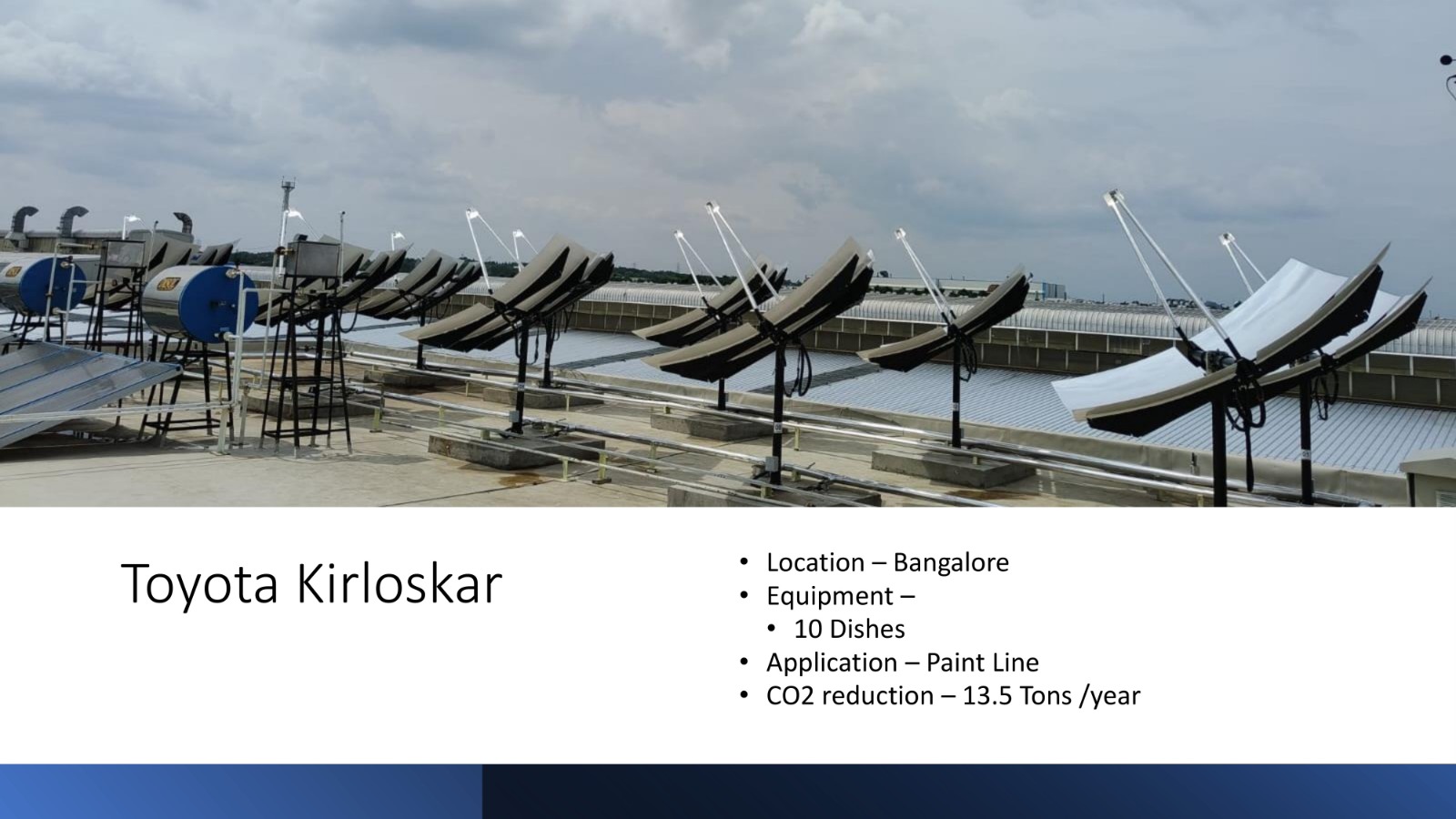
Concentric Solar Thermal (CST) dishes concentrate sunlight onto a focal receiver using a precisely curved, reflective surface. The concentric dish design optimizes optical concentration and tracking accuracy, producing high-temperature heat with compact footprint and modular deployment.
How CST dishes work:
– Parabolic/concentric reflectors track the sun in two axes
– Focused radiation heats a receiver (absorber) to high temperatures
– Heat is transferred via fluid or thermal oil to storage or process equipment
Advantages:
– *High temperatures* suitable for steam generation and industrial processes
– *Modularity* enables phased capacity increases
– *High optical efficiency* and rapid response to load changes
– *Lower land use* compared with some field-based concentrators
Typical applications include process heat, power generation via Organic Rankine Cycle (ORC) And integration. With heat pumps or thermal storage to provide continuous supply. For detailed system architecture, performance data, and deployment examples, see https://quadsuntechnology.com/, which showcases. CST dish implementations and design options for diverse thermal requirements.
—
## Integrated 24/7 Solar Thermal Hot Water Generator
An Integrated 24/7 Solar Thermal Hot Water Generator combines solar collectors, thermal storage, intelligent controls, and optional backup to deliver. Continuous hot water day and night. The core concept is to capture daytime solar heat, store it. Efficiently, and manage dispatch so systems meet demand around the clock.
Key components:
– *Solar collectors* (flat-plate, evacuated tube, or concentrators)
– *Thermal storage* (buffer tanks, stratified tanks, or phase-change materials)
– *Control systems* for temperature management and charging/discharging
– *Backup* (boiler or electric heater) for prolonged low-sun periods
Benefits:
– *Constant availability* for domestic, commercial, and industrial hot water
– *Peak shaving* and reduced grid dependency
– *Optimized efficiency* through stratification and intelligent control
– *Lower lifecycle emissions* and operating costs
Design considerations include storage capacity sized to local demand and climate, thermal losses, and integration with existing plumbing and safety systems. For product solutions and case studies illustrating 24/7 solar thermal hot water systems, visit https://quadsuntechnology.com/ to explore practical configurations and performance examples.
—
## High temp Heat Pumps
High temperature heat pumps are engineered to deliver elevated outp


Leave A Comment